Every spring, people that have experienced brain injury, advocates, families, caregivers, and professionals gather in Topeka for an important event dedicated to improving the lives of individuals affected by brain injuries. Organized by the Brain Injury Association of Kansas and Greater Kansas City (BIAKS-GKC), Advocacy Day brings members of the brain injury community together to educate lawmakers and discuss legislative initiatives that can strengthen services and support for people living with brain injuries across the state.
Held at the Kansas State Capitol in Topeka, Advocacy Day creates a unique opportunity for individuals, caregivers, and professionals to meet directly with legislators from throughout Kansas. These meetings allow lawmakers to hear firsthand about the challenges that can follow a brain injury and the resources needed to support long-term recovery, independence, and quality of life.
Brain injuries impact thousands of Kansas families each year. While the initial medical treatment often occurs in hospitals or rehabilitation centers, the path forward frequently requires ongoing cognitive, emotional, and physical support. Many individuals living with brain injury rely on community-based programs, therapy services, and specialized providers to help them rebuild daily living skills, maintain independence, and participate fully in their communities.
Because recovery can be a long-term journey, access to services and supports is critical. Advocacy Day helps ensure that state leaders understand both the challenges and the opportunities when it comes to improving services for those living with brain injury.
A major focus of this year’s event was the importance of funding the Kansas Brain Injury Program to ensure that individuals can receive services when they need them. Dr. Janet Williams spoke with legislators about the impact that funding decisions can have on the availability of care and support across the state. She highlighted that without adequate funding, the program may be forced to place individuals on waitlists for essential services.
Dr. Williams encouraged Kansas lawmakers to prioritize funding that would allow the program to continue supporting individuals without delay. Timely access to rehabilitation, skill-building programs, and community support services can significantly affect long-term outcomes. When services are delayed, individuals may face additional barriers to recovery, independence, and participation in daily life.
Advocacy Day is intentionally scheduled each year around Pi Day (March 14, or 3.14). While Pi Day is commonly associated with the mathematical constant π, the timing of the event also carries a meaningful message for the brain injury community. The theme reflects the idea that everyone deserves a “piece of the pie.” In this context, the phrase symbolizes fair access to resources, services, and opportunities for people living with brain injury.
This lighthearted but meaningful connection helps make the event memorable while reinforcing an important message about equity and access. The goal is simple but powerful: ensuring that individuals affected by brain injury have the opportunity to receive the support and services they need to live meaningful, independent lives.
Advocacy Day also provides an opportunity for individuals and families to share their personal experiences with legislators. Hearing directly from constituents can help lawmakers better understand the real-world impact of brain injury and the importance of programs that support long-term recovery. Personal stories often bring a human perspective to policy discussions and can play an important role in shaping legislative priorities.
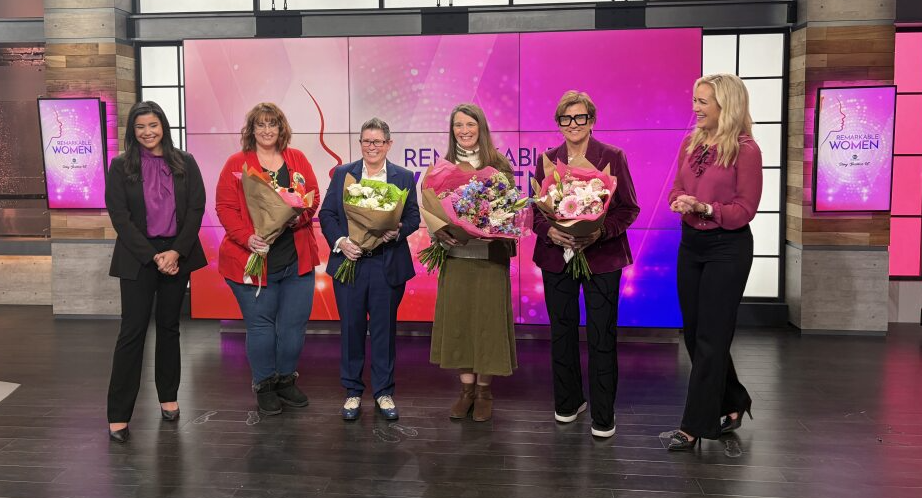
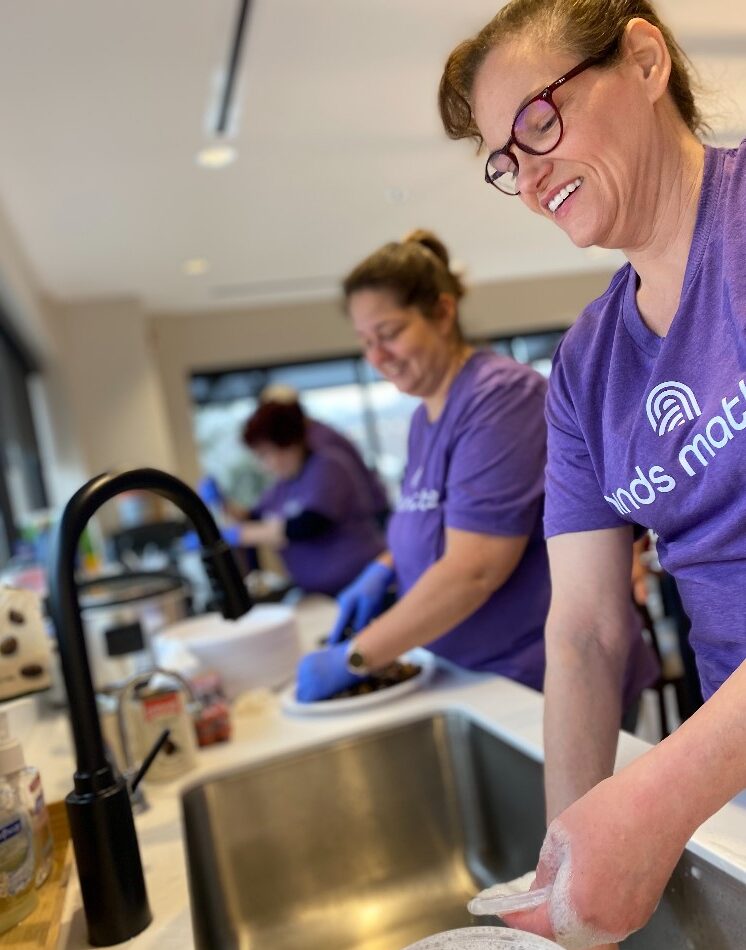
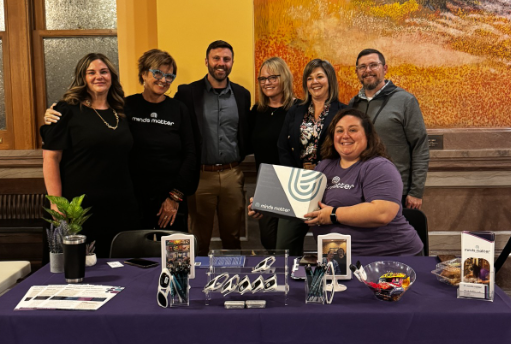
Organizations across the region attend Advocacy Day to demonstrate their commitment to improving services and resources for those affected by brain injury. Minds Matter, LLC was proud to be represented alongside other key stakeholders who work every day to support individuals living with brain injury. Participation from service providers, advocates, and community organizations helps ensure that legislators hear from a wide range of voices and perspectives.
Events like Advocacy Day also strengthen collaboration across the brain injury community. By bringing together advocacy organizations, service providers, families, and policymakers, the event helps build partnerships that can drive meaningful change. These conversations often spark ideas for future initiatives, programs, and policies that can benefit individuals and families throughout Kansas.
Beyond policy discussions, Advocacy Day also empowers individuals and families by reminding them that their voices matter. Sharing experiences, meeting with lawmakers, and participating in advocacy efforts can create a sense of connection and momentum within the community.
Through continued advocacy, education, and collaboration, events like BIAKS-GKC’s Advocacy Day help move Kansas closer to a future where individuals affected by brain injury have access to the services, resources, and support they need—without facing unnecessary delays or barriers to care.